









The first question to ask is, what do we mean by a good raincoat? We think that to be really good, it needs to do several things.
First things first, we think it should keep out the rain. Seems obvious, but a lot of raincoats these days just aren’t that waterproof. We make all of our products with waterproof cotton fabric made by British Millerain, the company responsible for the world's first waterproof cotton fabric, and still a supplier to many of the world's known luxury brands.
Then it should look great, which I think ours do. But style is personal, I know.
A good coat should be comfortable: both fit, cut and the comfort of the fabric. Keeping our designs the same from year to year means we can wear test them over long periods. I've worn our Frank raincoat for months and can say with great confidence that it feels great to wear.
If you spend your hard-earned money on a raincoat, you want it to last. The style should transcend seasonal trends, and it should be physically durable. We make our rainwear in two UK factories, with between them over 250 years of history of producing high-quality rainwear, one in Lancashire, one in Greater Manchester. The former produced clothing for the British Army for over 70 years, so they know all there is to know about making tough clothes that perform. In addition, when the Millerain fabric does eventually lose its waterproofness, through years of wear, it can be reproofed easily at home with a simple Nikwax reproofing wash in your washing machine.
Finally, it would also be great if the making of, the wearing of or the disposing of your raincoat didn’t destroy the planet. There's a lot that goes into this, but we try to keep it simple. We use a low-carbon footprint woven cotton fabric instead of an oil-based synthetic, finished with a fluorocarbon-free waterproof coating. And we make locally here in the UK meanling the lowest carbon footprint for the manufacture, thanks to the UK's clean energy (we have a high percentage of renewable energy in our electricity mix), and the very low transport distance (they go from the cloth mill in Rochdale, to be sewn in either Blackburn or Manchester, to our warehouse in Leeds, then to you.
And at a price that's probably a third or even a quarter of the price of rainwear of similar quality, I'm not sure you could buy a lot better.
The first question to ask is, what do we mean by a good raincoat? We think that to be really good, it needs to do several things.
First things first, we think it should keep out the rain. Seems obvious, but a lot of raincoats these days just aren’t that waterproof. We make all of our products with waterproof cotton fabric made by British Millerain, the company responsible for the world's first waterproof cotton fabric, and still a supplier to many of the world's known luxury brands.
Then it should look great, which I think ours do. But style is personal, I know.
A good coat should be comfortable: both fit, cut and the comfort of the fabric. Keeping our designs the same from year to year means we can wear test them over long periods. I've worn our Frank raincoat for months and can say with great confidence that it feels great to wear.
If you spend your hard-earned money on a raincoat, you want it to last. The style should transcend seasonal trends, and it should be physically durable. We make our rainwear in two UK factories, with between them over 250 years of history of producing high-quality rainwear, one in Lancashire, one in Greater Manchester. The former produced clothing for the British Army for over 70 years, so they know all there is to know about making tough clothes that perform. In addition, when the Millerain fabric does eventually lose its waterproofness, through years of wear, it can be reproofed easily at home with a simple Nikwax reproofing wash in your washing machine.
Finally, it would also be great if the making of, the wearing of or the disposing of your raincoat didn’t destroy the planet. There's a lot that goes into this, but we try to keep it simple. We use a low-carbon footprint woven cotton fabric instead of an oil-based synthetic, finished with a fluorocarbon-free waterproof coating. And we make locally here in the UK meanling the lowest carbon footprint for the manufacture, thanks to the UK's clean energy (we have a high percentage of renewable energy in our electricity mix), and the very low transport distance (they go from the cloth mill in Rochdale, to be sewn in either Blackburn or Manchester, to our warehouse in Leeds, then to you.
And at a price that's probably a third or even a quarter of the price of rainwear of similar quality, I'm not sure you could buy a lot better.


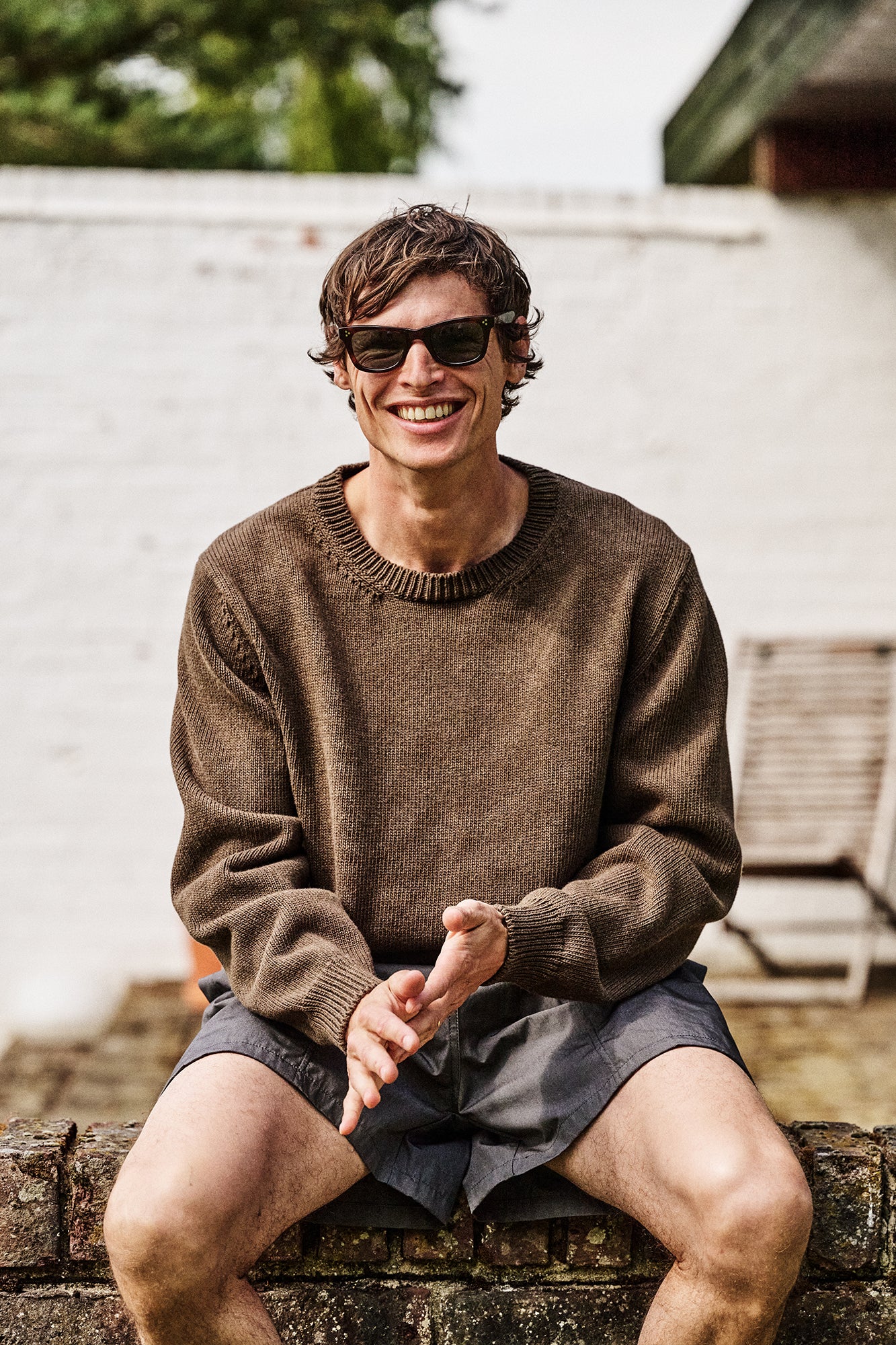
I have long fancied including a classic Guernsey in our collection and so last summer I was delighted to have the chance to visit the Le Tricoteur factory on the island's western coast.
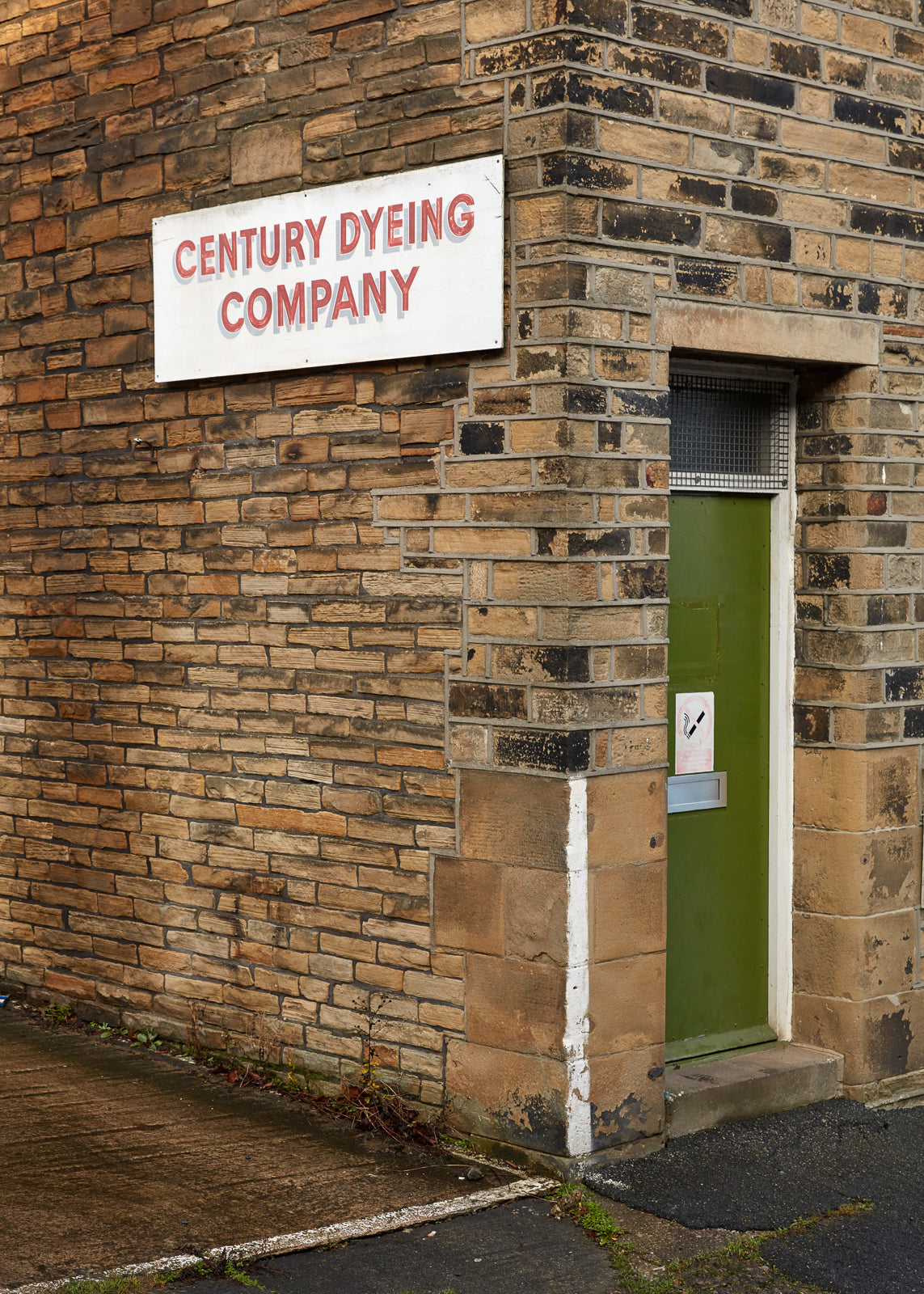

Everything we do is a celebration of the people, the skills and the traditions of the amazing factories we work with, all of them the very best of their kind, all of them deeply embedded in the culture and history of their communities.
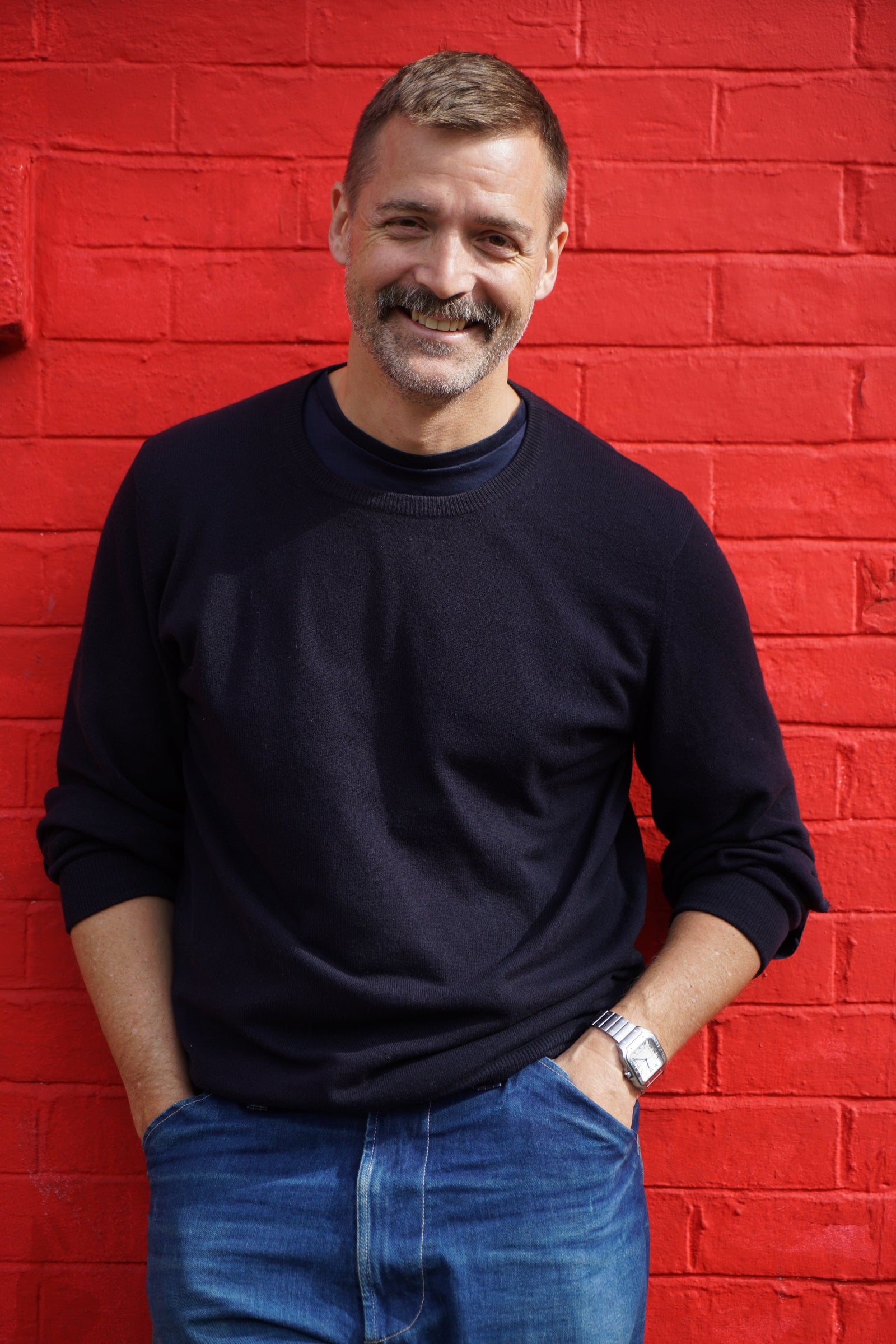

Great photographs don’t just show our clothes, they tell our story and connect you with what we do.
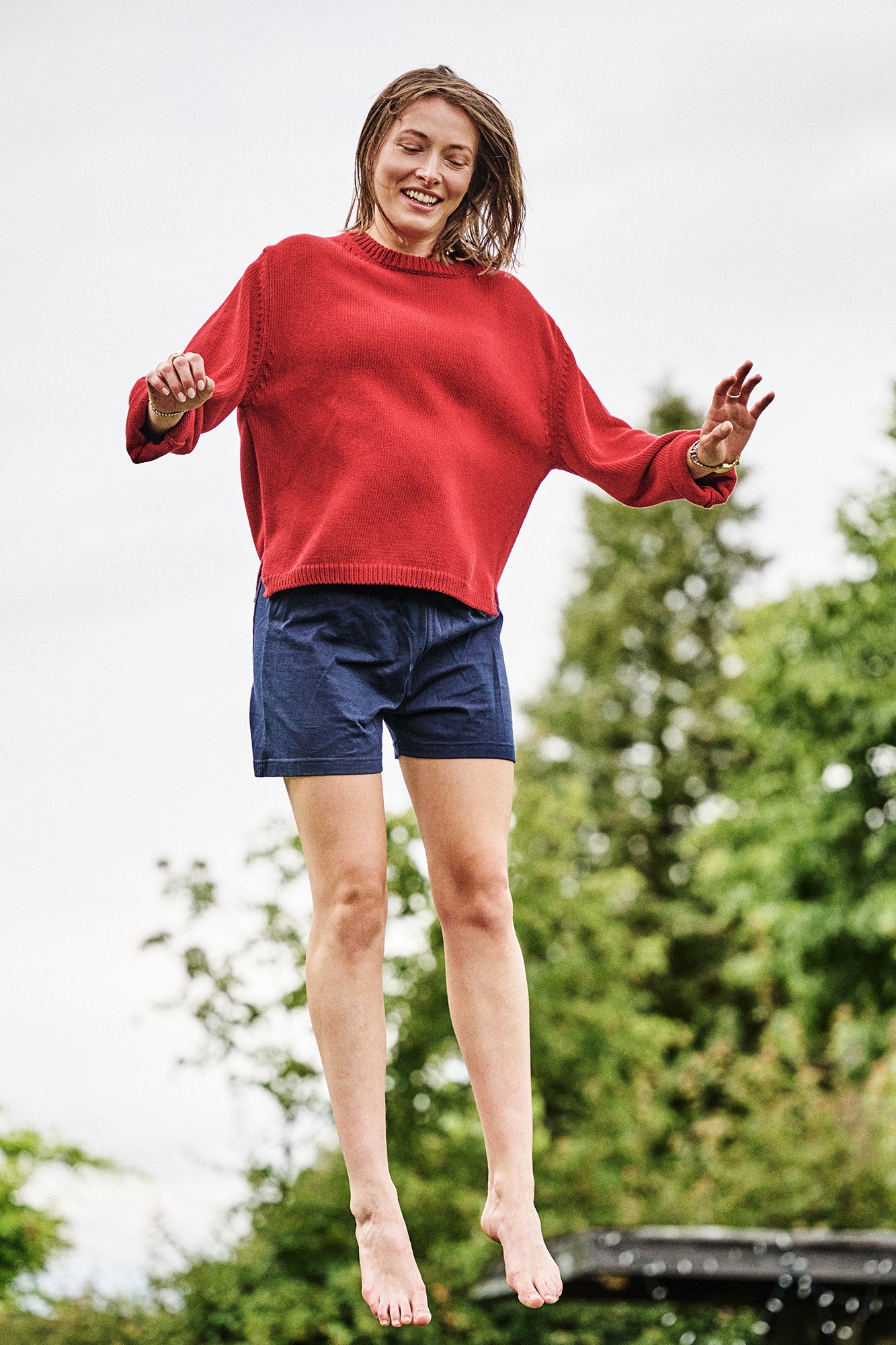
Our philosophy around photography is really simple: just keep it honest. Shoot the clothes as they are, don’t alter or pin them, don’t retouch. When our clothes arrive and you put them on we want them to look like the clothes you see in the pictures.