










Maybe it’s because we’ve been into wool for at least six thousand years? Or maybe it’s because whilst pretty much everyone else on the planet switched to trying to make the cheapest clothes they could, we stuck to trying to make the best ones. Whatever the reason, British knitwear is (in my considered opinion) the best in the world. I’ve worked with many of Community Clothing’s spinners and knitters for decades, and over the many years of visiting their mills I’ve seen products being made for a veritable who’s who of the world’s top luxury brands. I’ve seen Chanel, Hermes, Louis Vuitton, Burberry and so many more, brands that could do their spinning and knitting anywhere in the world, but choose to do it here because they know it cannot be beaten on quality. Chanel likes it so much they bought a factory here.
Our status as top wool nation arguably dates all the way back to the time of the Romans who recognised our wool cloaks as being the best in the Empire. By Anglo Saxon times we exported our wool and woollen products across Europe, and by the medieval period it had became our primary export. It was of such great importance that in the 14th century the Woolsack (essentially a massive stuffed wool pouffe) became (literally) the seat of power, and is still sat upon by the Lord Speaker in the House of Lords today.
From our wool trade we grew a great knitting industry. The word knit entered the English language in the 15th century originating from the old English “cnyttan” meaning to tie with a knot. In 1571 the Cappers Act made it law that on Sundays and Holidays all ordinary folk had to wear a locally made knitted hat ( ‘knit, thicked and dressed within this Realm’). Henry VIII took to wearing knitted stockings which really set a trend.
In 1589, William Lee invented the first knitting machine in Nottinghamshire, and fine knitting became central to the economy of the East Midlands. Across Yorkshire wool spinning was already an established industry, but this grew to serve the growing number of knitting machines, and in Scotland (where it is coldest and hilliest), sheep farming, wool spinning and knitting was an important employer in almost every region. Across the UK there were rich local differences in knitwear produced, from the different wool produced by the local sheep, the way it was coloured and spun, and the knitting traditions and patterns with jumpers like the Fair Isle, Guernsey, Shetland and Arran gaining global fame.
Today the spinners and knitters who make our jumpers pretty much spans the country. Between the two oldest, Z Hinchcliffe of Denby Dale (1766) who do our lambswool and J.C. Rennie of Old Deer in Aberdeenshire (1798) who spin the yarn for our Shetland jumpers, there’s nearly 500 years of spinning experience. And most of our other spinners are no spring chickens: Todd & Duncan in Kinross (1867), Gardiners, now in Huddersfield (also 1867), Laxtons in Shipley (1907), West Yorkshire Spinners in Keighley (1997) and Shepley in Oldham (2002).
We’ve just this year started knitting in Nottingham, an ancient centre of British textiles. We knit our hats in Stewarton in Ayrshire, a town with such a long history of hat making its known as The Bonnet Town (Mackie’s who knit for us have been there since 1845). But the majority of our product is knitted in Hawick in the Scottish Borders, Scotland’s knitwear capital, and birthplace of some of the greatest names in knitwear.
Making our knitwear in the UK isn’t just a question of pride, its about quality, consistency, and tradition. We don’t think you can buy knitwear as good as ours for even twice the price.
Maybe it’s because we’ve been into wool for at least six thousand years? Or maybe it’s because whilst pretty much everyone else on the planet switched to trying to make the cheapest clothes they could, we stuck to trying to make the best ones. Whatever the reason, British knitwear is (in my considered opinion) the best in the world. I’ve worked with many of Community Clothing’s spinners and knitters for decades, and over the many years of visiting their mills I’ve seen products being made for a veritable who’s who of the world’s top luxury brands. I’ve seen Chanel, Hermes, Louis Vuitton, Burberry and so many more, brands that could do their spinning and knitting anywhere in the world, but choose to do it here because they know it cannot be beaten on quality. Chanel likes it so much they bought a factory here.
Our status as top wool nation arguably dates all the way back to the time of the Romans who recognised our wool cloaks as being the best in the Empire. By Anglo Saxon times we exported our wool and woollen products across Europe, and by the medieval period it had became our primary export. It was of such great importance that in the 14th century the Woolsack (essentially a massive stuffed wool pouffe) became (literally) the seat of power, and is still sat upon by the Lord Speaker in the House of Lords today.
From our wool trade we grew a great knitting industry. The word knit entered the English language in the 15th century originating from the old English “cnyttan” meaning to tie with a knot. In 1571 the Cappers Act made it law that on Sundays and Holidays all ordinary folk had to wear a locally made knitted hat ( ‘knit, thicked and dressed within this Realm’). Henry VIII took to wearing knitted stockings which really set a trend.
In 1589, William Lee invented the first knitting machine in Nottinghamshire, and fine knitting became central to the economy of the East Midlands. Across Yorkshire wool spinning was already an established industry, but this grew to serve the growing number of knitting machines, and in Scotland (where it is coldest and hilliest), sheep farming, wool spinning and knitting was an important employer in almost every region. Across the UK there were rich local differences in knitwear produced, from the different wool produced by the local sheep, the way it was coloured and spun, and the knitting traditions and patterns with jumpers like the Fair Isle, Guernsey, Shetland and Arran gaining global fame.
Today the spinners and knitters who make our jumpers pretty much spans the country. Between the two oldest, Z Hinchcliffe of Denby Dale (1766) who do our lambswool and J.C. Rennie of Old Deer in Aberdeenshire (1798) who spin the yarn for our Shetland jumpers, there’s nearly 500 years of spinning experience. And most of our other spinners are no spring chickens: Todd & Duncan in Kinross (1867), Gardiners, now in Huddersfield (also 1867), Laxtons in Shipley (1907), West Yorkshire Spinners in Keighley (1997) and Shepley in Oldham (2002).
We’ve just this year started knitting in Nottingham, an ancient centre of British textiles. We knit our hats in Stewarton in Ayrshire, a town with such a long history of hat making its known as The Bonnet Town (Mackie’s who knit for us have been there since 1845). But the majority of our product is knitted in Hawick in the Scottish Borders, Scotland’s knitwear capital, and birthplace of some of the greatest names in knitwear.
Making our knitwear in the UK isn’t just a question of pride, its about quality, consistency, and tradition. We don’t think you can buy knitwear as good as ours for even twice the price.


I have long fancied including a classic Guernsey in our collection and so last summer I was delighted to have the chance to visit the Le Tricoteur factory on the island's western coast.
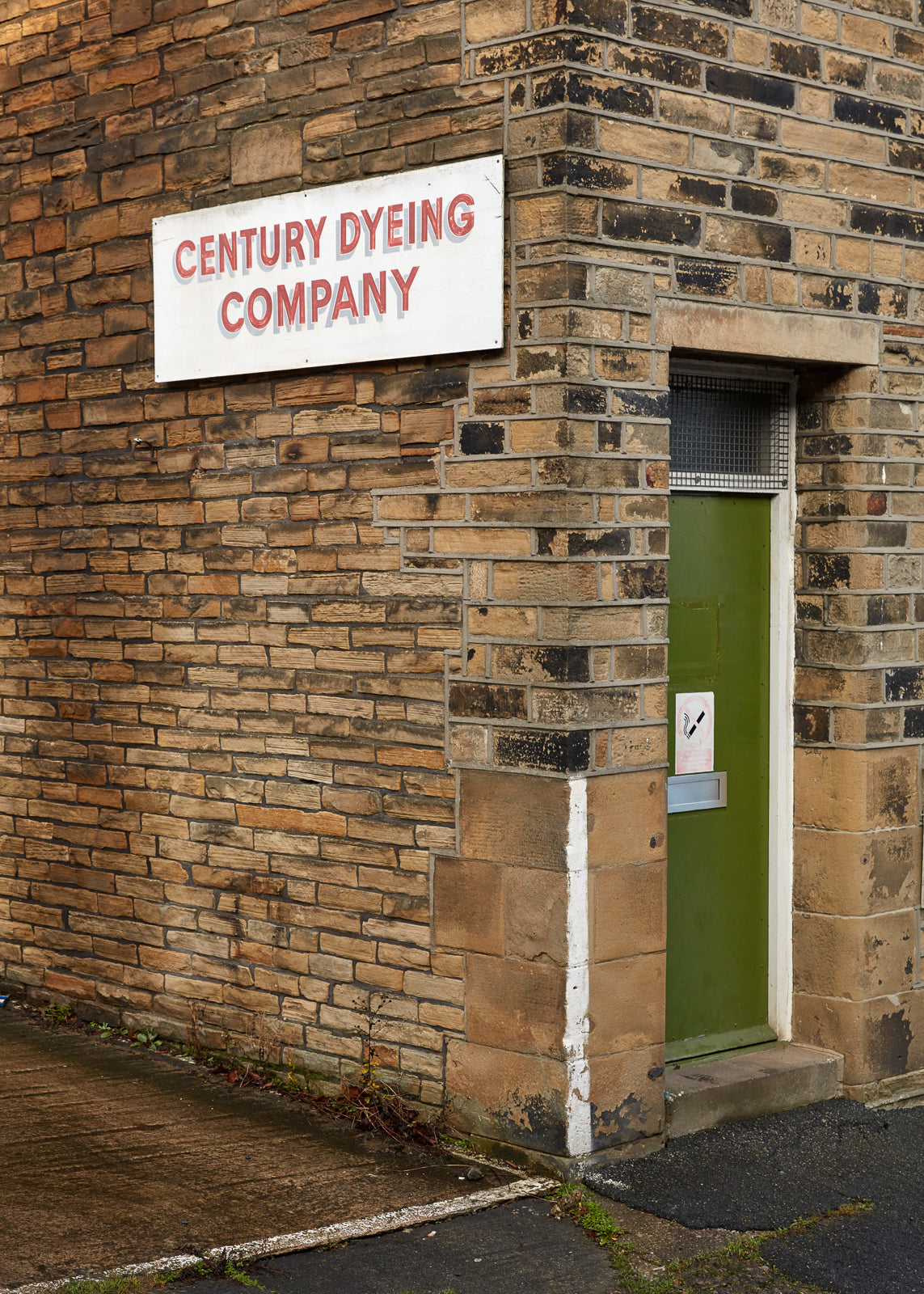

Everything we do is a celebration of the people, the skills and the traditions of the amazing factories we work with, all of them the very best of their kind, all of them deeply embedded in the culture and history of their communities.
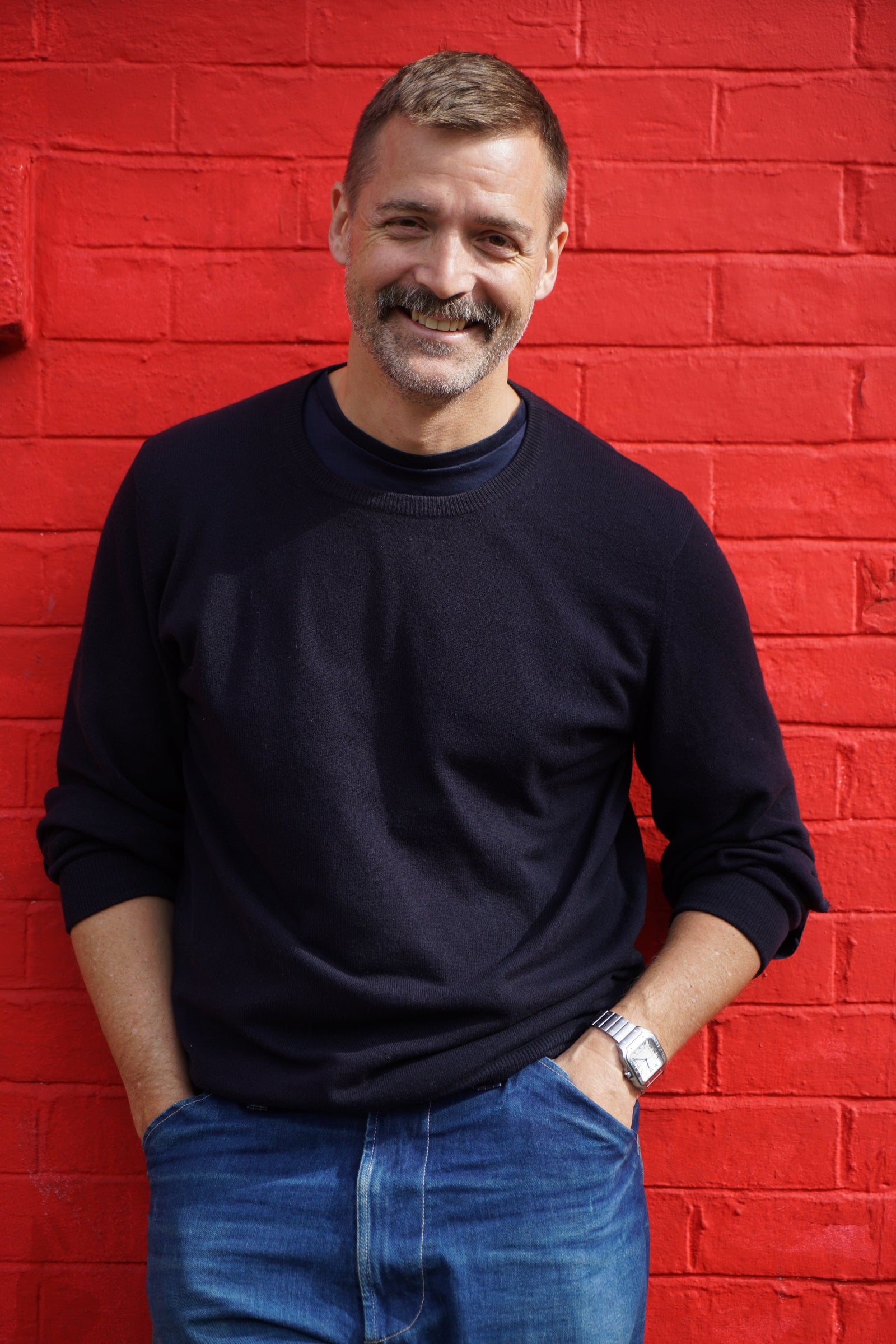

Great photographs don’t just show our clothes, they tell our story and connect you with what we do.
Our philosophy around photography is really simple: just keep it honest. Shoot the clothes as they are, don’t alter or pin them, don’t retouch. When our clothes arrive and you put them on we want them to look like the clothes you see in the pictures.